
Cultivating a Greener Home: Eco-Friendly Hacks for a Cleaner, Healthier, and Happier Life
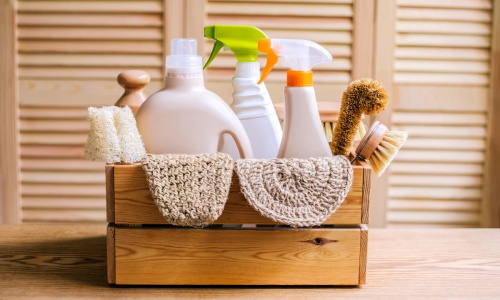
Home is where we recharge, connect, and dream. It’s also the stage where our daily choices ripple outward—affecting our well-being, our wallets, and the planet. Embracing eco-friendly living isn’t just about swapping plastic bottles for glass or cutting down waste; it’s a holistic shift. It’s about reimagining everyday routines so that they nourish our mental clarity, deepen family bonds, support financial well-being, and restore harmony with nature.
Mental Well-Being: Calm Through Conscious Cleaning
Eco-friendly cleaning isn’t only about shiny counters—it’s also about peace of mind. When you swap harsh chemicals for natural alternatives, you eliminate worries about toxins in the air or residue on your kitchen surfaces. That sense of safety brings calm. Imagine the relief of knowing that the spray bottle your toddler grabs or the cloth your pet licks won’t trigger headaches or allergies.
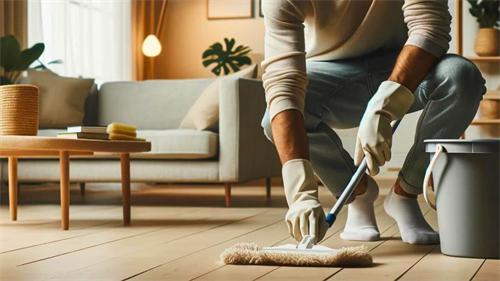
Eco-hacks also connect us with nature. The scent of lemon zest in a homemade scrub or the soothing aroma of lavender oil in a diffuser can lift moods instantly. Houseplants, too, act as living air purifiers. They reduce indoor pollutants while bringing the serenity of green into your home, which studies show helps lower anxiety and foster focus.
Even something as simple as airing out your home daily clears not only physical air but also mental fog. In this way, every eco-friendly act becomes a form of self-care.
Family, Tradition & Mindful Moments
Repurposing old t-shirts into rags can be a creative family project. Children love the idea that “dad’s old soccer shirt” is now the official dusting cloth. Used tea bags can polish taps or deodorize shoes, and kids are often fascinated to see how something usually discarded can have a second life.
Crafting natural scents—like simmering orange peels with cinnamon sticks or blending herbs into homemade sachets—turns cleaning into a sensory experience. It’s not just about a fresh-smelling home but about creating traditions that echo through time. A child who grows up with the smell of vinegar-and-lemon spray will likely remember it as a symbol of care and comfort.
Cleaning becomes more of a communal awareness exercise and less of a job thanks to these little customs. They teach kids the value of taking care of their surroundings and the delight of being resourceful.
Financial & Practical Gains: Eco = Econohacks
Eco-friendly choices often lead to surprising financial savings.
Natural cleaners—like vinegar, baking soda, or lemon—are inexpensive and multipurpose. Instead of buying separate products for windows, counters, and floors, you can rely on simple pantry staples that last longer and cost far less.
Durable options like microfiber cloths, wool dryer balls, and refillable containers replace disposable paper towels, dryer sheets, and single-use bottles. The savings add up quickly when you stop restocking throwaway items.
Eco-friendly habits also reduce hidden costs. For example, cutting chemical exposure lowers the risk of respiratory irritation and skin reactions, saving money on healthcare. Choosing energy-efficient light bulbs, unplugging unused appliances, or running machines only when full reduces utility bills. Even small adjustments—like cold-water laundry washes or fixing leaky faucets—add up to noticeable financial relief.
On a bigger scale, sustainable home upgrades like insulation or energy-efficient windows deliver long-term returns. While they require an initial investment, they often pay for themselves in savings over time and boost property value.
Mindset Shifts: From Eco to Everyday
What begins as a handful of hacks can grow into a lifestyle.
At first, making vinegar spray or refusing plastic bags feels intentional. But over time, these choices become second nature. You no longer reach for disposable wipes because you know the cloth rags work just as well. You don’t even think about taking your shoes off at the door—it simply feels right.
Sustainable living thrives on momentum. The key is starting small. Pick one habit—like replacing paper towels with cloths—and build from there. Track progress in ways that feel rewarding: keep a jar for money saved on disposables, or snap before-and-after photos of clutter cleared during a sustainable declutter.
What’s powerful is the shift in perspective. Cleaning stops being a burden when it feels like an act of alignment with your values. It’s no longer just “housework” but a way of caring for yourself, your family, and the future.
Community, Environment & Legacy
When you compost food scraps, you reduce landfill waste and create nutrient-rich soil that can grow more food. When you buy refills instead of plastic bottles, you reduce the demand for single-use packaging. When you grow herbs in your windowsill, you support biodiversity and cut transport emissions tied to supermarket produce.
Neighborhoods where more families adopt eco-friendly practices also benefit collectively—cleaner air, less waste, healthier shared green spaces. And there’s a ripple effect: guests notice your wool dryer balls or vinegar spray and are inspired to try it themselves.
Perhaps most importantly, eco-living builds a legacy. Children raised in eco-conscious homes learn that sustainability is normal. They inherit not just a cleaner house but also the values of care, responsibility, and creativity. This generational transfer may be the greatest gift of all.
The Everyday Hacks That Make a Difference
Let’s revisit some of the most practical eco-friendly hacks with added lifestyle reflections:
Repurposing clothing into rags: Keeps waste out of landfills while saving money. It also reminds us that “old” doesn’t always mean useless—an important lesson in valuing resources.
Old toothbrushes for detail cleaning: A perfect metaphor for resilience—something past its prime in one role can shine in another.
Vinegar and baking soda duo: A natural powerhouse that proves solutions don’t need to be complicated. Life, like cleaning, often benefits from simplicity.
Used tea bags: From cup to cleaner to compost, they embody the idea of cycles, not waste—mirroring the cycles of nature itself.
Essential oils and citrus peels: Offer not just fresh air but also a sensory reminder of our bond with plants and seasons.
Microfiber cloths, dryer balls, and refillable containers: They show us that durability and mindfulness trump convenience and waste.
Decluttering and minimalism: A clear home cultivates a clear mind. Letting go of things we don’t use makes room for what truly matters.
Houseplants: A gentle daily reminder of our interdependence with the natural world. As we water and nurture them, they quietly purify the air for us in return.
Sustainable Living as a Lifestyle Blueprint
When eco-friendly habits root themselves in daily life, they expand beyond cleaning. They inspire broader choices: eating more seasonal foods, choosing second-hand clothing, biking instead of driving, or investing in renewable energy.
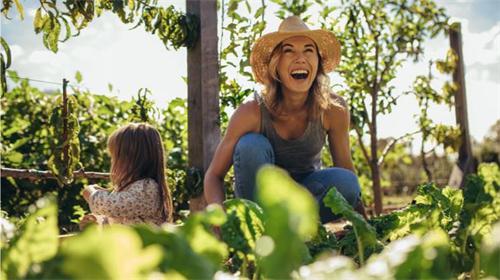
These choices don’t have to be grand or perfect. The essence of eco-living is progress, not purity. One compost bin won’t stop climate change, but multiplied across millions of households, it becomes transformative.
And it’s not only the environment that benefits. Families save money, homes feel safer, stress decreases, and communities thrive. Living sustainably creates a virtuous cycle where what is good for the planet is also good for people.
Cleaner lives are the goal of eco-friendly living tips, not simply cleaner houses. They turn everyday tasks into creative, connected, and thoughtful rituals. They promote resilience, lower stress, and save money. Above all, they encourage us to live in balance with the environment so that future generations might inherit a healthy world.
The path forward is simple: start with one change. Swap a roll of paper towels for cloth rags. Mix up a batch of vinegar spray. Plant a pot of herbs on your windowsill. Eco-living is not about perfection but about intention. With each small step, you craft not only a cleaner home but also a more balanced, thoughtful, and joyful life. And in doing so, you discover that the greenest way to live is also the most human.