How Your Microbiome Became the “Second Brain”—and What It Means for Life?
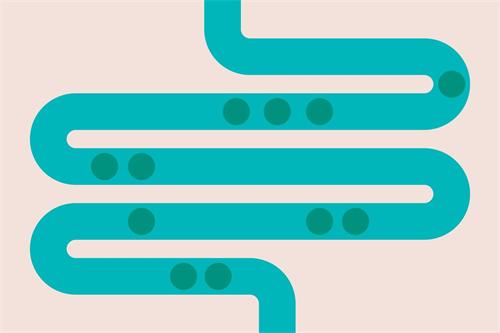
In recent years, gut health has moved from the sidelines to center stage. No longer just about digestion, your gut is emerging as a powerhouse influencing your mood, immunity, energy—possibly even staving off Alzheimer’s. Welcome to the era where the microbiome is your “second brain,” and understanding its whispers may just change how you live.
The Rise of the Gut-Brain Connection
When we say "gut" as your second brain, this isn’t just metaphor. Nestled in your intestines is the enteric nervous system (ENS)—a dense network of over 100 million nerve cells that orchestrates digestion and communicates bidirectionally with your brain.
The link between gut microbes and mental well-being, often dubbed the microbiota–gut–brain axis, involves immune, hormonal, and neural messaging pathways. It’s not just cutting-edge science anymore. Today, the gut-brain connection is showing up in wellness blogs, Netflix documentaries, and even dinner-table conversations.
How It All Connects?
A Biochemical Highway
Your gut microbes produce neurotransmitters like serotonin and dopamine—chemicals often thought of as “brain-only.” In fact, about 90% of serotonin is made in the gut. These molecules travel along the vagus nerve and bloodstream, influencing mood and cognition.
Glial Guardians & Neuroprotection
Scientists now believe the gut–brain axis can regulate glial cells—supportive cells in the nervous system that protect neurons. By keeping inflammation in check, the microbiome may reduce risks of neurodegenerative disorders like Alzheimer’s and Parkinson’s.
Early Detection Through Your Gut
Some researchers suggest that shifts in gut microbes occur years before symptoms of Alzheimer’s or Parkinson’s. In other words, your stool could one day act like a crystal ball for brain health.
Why It Matters: Real Impacts in Everyday Life?
Mental Health & Mood Regulation
Gut imbalances, known as dysbiosis, are increasingly linked with anxiety, depression, and even brain fog. Think of it like this: if your microbial orchestra is out of tune, the melody of your mood can falter.
Stress, Your Gut, and Vulnerability
When you’re stressed, your body releases cortisol. Chronic exposure doesn’t just affect sleep or focus—it changes gut motility, lowers microbial diversity, and fuels inflammation. That’s why people often report digestive issues when anxious.
Alzheimer’s & the Gut Connection
Mounting evidence suggests that gut bacteria may influence the buildup of amyloid plaques, a hallmark of Alzheimer’s. It’s pushing doctors to consider gut health as part of prevention strategies.
Take-Home Habits for a Healthy Gut (and Mind)
Embrace Variety
Think of your gut like an ecosystem. The more diverse your diet, the more resilient your microbiome. Aim for 30 different plants a week—this can include herbs, nuts, seeds, grains, fruits, and vegetables.
Choose Fermented & Polyphenol-Rich Foods
Fermented foods such as yogurt, sauerkraut, miso, and kefir introduce live cultures. Meanwhile, polyphenol-rich foods like berries, olive oil, and dark chocolate feed existing microbes. Together, they create balance.

Cultivate Psychobiotics
Emerging research highlights “psychobiotics”—specific probiotic strains that appear to reduce stress or anxiety. While the science is young, many people are experimenting with probiotic supplements targeted at mental health.
Prioritize Sleep & Manage Stress
Your microbes keep circadian rhythms, too. Poor sleep disrupts their cycles, while chronic stress can shrink microbial diversity. Practices like meditation, yoga, or even simple deep-breathing exercises can help restore balance.
Move Often
Exercise increases beneficial gut bacteria and lowers systemic inflammation. Even a brisk daily walk helps. Interestingly, endurance athletes often have a distinct microbiome profile linked to better performance.
How to Live Gut-First?
To make gut health practical, here are some small but impactful changes:
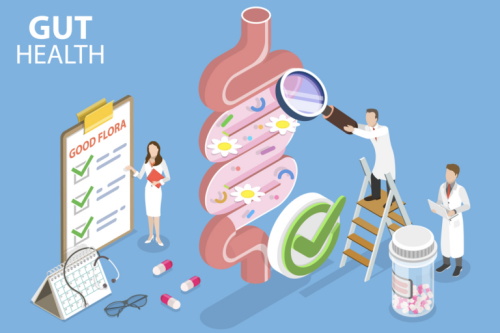
● Morning Ritual: Start with warm water and lemon to wake up digestion, followed by a high-fiber breakfast like oatmeal topped with flaxseeds, berries, and kefir.
● Lunch Upgrade: Swap white bread for whole grains, add beans or lentils, and toss in a handful of greens.
● Snack Smart: Replace ultra-processed chips with nuts, seeds, or roasted chickpeas.
● Dinner Plate: Balance lean protein with a variety of vegetables and fermented side dishes like kimchi or pickles.
● Evening Wind-Down: Avoid late-night eating, as your gut microbes also need rest. Herbal teas like chamomile or peppermint can soothe digestion.
Where Science Is Heading?
The conversation around gut health is no longer confined to niche wellness blogs or obscure scientific journals. Today, it stands at the forefront of medicine, nutrition, and even mental health research. Scientists are beginning to see the microbiome as not just a passive community of bacteria but as an active player in shaping who we are, how we think, and how we feel.
One major area of exploration is personalized microbiome mapping. Just as DNA testing once revolutionized our understanding of ancestry and genetic predispositions, microbiome testing could soon become a standard tool in preventive healthcare. Imagine annual check-ups that don’t just measure cholesterol or blood pressure but also assess bacterial balance, highlighting which strains are thriving and which are missing. These results could guide hyper-specific dietary and lifestyle recommendations—down to the exact type of fiber or fermented food your gut ecosystem needs.
Another exciting frontier is the gut-brain interface. Early research suggests that the microbiome plays a role in neurological conditions such as depression, anxiety, and even neurodegenerative diseases like Alzheimer’s and Parkinson’s. Clinical trials are underway to test whether targeted probiotics or microbiome-focused therapies could complement, or even replace, certain psychiatric medications. If successful, this would mark a radical shift in how society treats mental health—moving from a purely chemical approach to one that considers the gut as a co-pilot of the brain.
We’re also seeing progress in next-generation probiotics and prebiotics. Instead of generic supplements that deliver broad strains of bacteria, scientists are developing tailored formulations designed to encourage very specific microbial behaviors. These could target anything from reducing systemic inflammation to enhancing cognitive clarity. Some researchers are even experimenting with “psychobiotics,” probiotics aimed specifically at boosting mood and reducing stress through gut-brain signaling.
Beyond supplements, the future of gut science may involve microbial engineering. Think of it as CRISPR for your gut: tweaking bacteria at the genetic level so they produce compounds that the body needs, like neurotransmitters or vitamins. Such therapies could one day allow doctors to treat deficiencies or chronic illnesses by installing custom bacteria inside the gut—essentially turning microbes into living pharmacies.
The food industry is evolving alongside these discoveries. We’re already seeing the rise of microbiome-friendly products: yogurts fortified with unusual bacterial strains, kombucha with added prebiotics, and even snack bars designed to “feed your gut.” In the near future, food labels may go beyond calories and nutrients to include information on how a product influences your microbiome. Eating could become less about managing weight and more about cultivating internal balance.
Finally, there’s the public health angle. With more evidence linking gut health to immunity, mood, and long-term disease prevention, policymakers may begin to integrate microbiome considerations into guidelines for school lunches, hospital diets, and community wellness programs. Just as fluoride was added to water to protect teeth, we may see large-scale efforts to ensure diets across populations promote microbial diversity.
In short, gut science is rapidly expanding from curiosity to cornerstone. The next decade could see the microbiome become as central to healthcare conversations as genetics, reshaping everything from what we eat to how we treat depression. And while many details are still unfolding, one thing is clear: the second brain in your gut is no longer a metaphor—it’s a scientific reality that is set to redefine how we live.