
Strength Training for Longevity: Why It’s Not Just for the Gym Rats
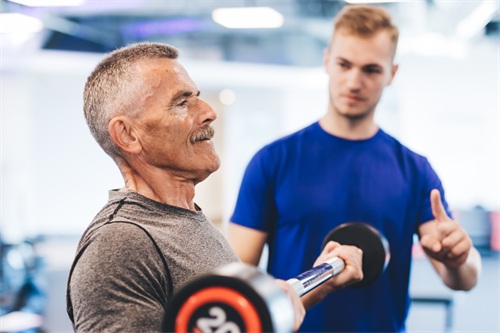
Walk into a gym on any given day, and you’ll probably see the same scene: heavy barbells clanging, sweaty lifters grunting, and sculpted bodies flexing in mirrors. For many, this image of strength training has long been intimidating—something reserved for bodybuilders, professional athletes, or self-proclaimed “gym rats.” But science is telling us a different story. Strength training isn’t just about six-pack abs or bulging biceps. It may actually be one of the most powerful tools we have to extend not just our lifespan, but our healthspan—the number of years we live with energy, independence, and vitality.
In recent years, strength training has emerged as a cornerstone of longevity science, with research linking it to better brain health, reduced risk of chronic disease, improved mobility, and even increased life expectancy. The best part? You don’t need to deadlift twice your body weight or live in the gym to reap the benefits.
Let’s explore why strength training matters for everyone—regardless of age, body type, or fitness level—and how you can integrate it into your life in a way that supports long-term health.
Strength Training as Medicine
When most people think of “exercise for health,” cardiovascular activity comes to mind: jogging, cycling, or swimming. While these are undoubtedly beneficial, strength training has unique effects on the body that cardio alone doesn’t provide.
Building and Preserving Muscle Mass
After the age of 30, adults can lose up to 3–5% of muscle mass per decade if they remain inactive. This process, called sarcopenia, doesn’t just affect appearance—it impacts balance, mobility, and metabolic health. Loss of muscle makes us more vulnerable to falls, fractures, and disability in older age. Strength training slows, stops, and in many cases reverses this decline.
Supporting Metabolic Health
Muscle isn’t just for movement—it’s a metabolic powerhouse. Muscle tissue stores glucose, regulates blood sugar, and improves insulin sensitivity. Multiple studies have shown that people who engage in regular resistance training have a lower risk of developing type 2 diabetes and metabolic syndrome.
Strengthening Bones and Joints
Bones, like muscles, respond to stress. Lifting weights or doing bodyweight resistance exercises increases bone density, reducing the risk of osteoporosis. Strength training also stabilizes joints by strengthening the muscles around them, lowering the risk of arthritis-related pain and injuries.
Boosting Longevity and Reducing Mortality
A meta-analysis published in the British Journal of Sports Medicine found that people who participated in strength training at least twice per week had a 23% lower risk of premature death. Remarkably, combining strength training with aerobic exercise was even more effective than doing either alone.
The Mental and Cognitive Benefits
The brain might not look like it’s doing squats, but it reaps the rewards.
● Mood Regulation: Strength training increases the release of endorphins and supports the regulation of neurotransmitters like serotonin and dopamine, which can help reduce symptoms of depression and anxiety.
● Cognitive Protection: Emerging research links resistance training with slower cognitive decline and a reduced risk of dementia. By improving blood flow to the brain and promoting the release of growth factors, strength training supports brain plasticity.
● Resilience and Confidence: Beyond biology, lifting weights instills a sense of accomplishment. As people master new movements and see their strength grow, they often experience heightened self-efficacy—the belief that they can handle life’s challenges.
Strength Training Across Life Stages
The beauty of strength training is its adaptability. No matter your age or background, there’s an entry point.
In Your 20s and 30s: Laying the Foundation
These years are ideal for building a strong base. Muscle gained in early adulthood can serve as a “reserve” that helps buffer against age-related decline later. This is also a time to experiment—try barbells, kettlebells, yoga-inspired bodyweight training, or even rock climbing to find what excites you.
In Your 40s and 50s: Maintenance and Metabolic Support
Life often gets busier here, but this is when strength training becomes a lifeline. It combats hormonal shifts, protects against midlife weight gain, and maintains mobility. Short, consistent workouts can be more effective than sporadic intense sessions.
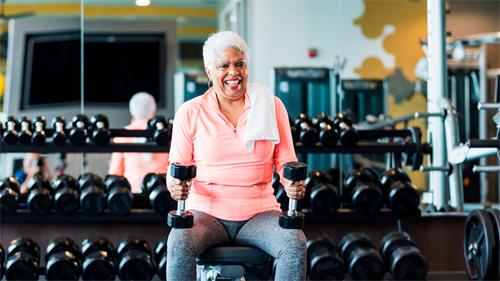
In Your 60s and Beyond: Preserving Independence
Strength training here isn’t about “lifting heavy”—it’s about living freely. Exercises that build lower body and core strength can prevent falls, while grip training supports everyday tasks like opening jars or carrying groceries. Research shows that older adults who strength train maintain independence far longer than those who don’t.
Practical Ways to Get Started
If strength training still feels intimidating, here’s a roadmap to ease in:
● Start small and easy. Start with bodyweight exercises such as glute bridges, planks, push-ups (or modified wall push-ups), and squats.
● Use Progressive Overload. Increasing resistance gradually is the key to progress. Gradually increase the number of reps, sets, or slightly heavier weights.
● Put Form Before Load. Proper technique reduces damage and ensures you target the proper muscles. When beginning, think about using a trainer or watching instructional videos.
● Change It Up. Include a balance of upper body, lower body, and core movements for a well-rounded regimen.
● Listen to Your Body. The importance of recovery is equal to that of effort. When working out the same muscle group, try to take 48 hours off.
● Stay Consistent. Twice a week is enough to see measurable improvements within months.
Beyond the Gym: Everyday Strength Training
Strength training doesn’t have to mean barbells in a gym. Daily life offers opportunities:
● Carry groceries instead of using a cart.
● Take the stairs two at a time for a mini leg workout.
● Do a few squats or push-ups during TV commercial breaks.
● Keep resistance bands in your office for quick breaks between meetings.
These micro-moments add up, embedding strength into your lifestyle without feeling like a chore.
At its core, strength training isn’t just about building muscle—it’s about building resilience. The act of lifting something heavy and watching yourself get stronger over time is a metaphor for life itself. We face burdens, some heavier than others, but each time we rise to meet them, we adapt, grow, and prepare for the next challenge.
This is why strength training resonates far beyond the gym. It teaches patience, consistency, and humility. It reminds us that growth often happens incrementally and invisibly, until one day you realize you can lift what once seemed impossible.
As longevity science advances, researchers are increasingly studying strength training as a “health intervention.” Some hospitals already prescribe resistance exercise alongside medication for chronic disease. Tech innovations like smart dumbbells, AI-powered apps, and virtual trainers are making it easier for people to train safely at home.
Looking forward, it’s not hard to imagine strength training becoming as standard a prescription as daily vitamins—a recognized, non-negotiable pillar of preventive healthcare.
Strength training is no longer the domain of bodybuilders chasing aesthetics. It’s a science-backed, accessible, and profoundly impactful way to extend your healthspan. Whether you’re a teenager, a busy professional, or a retiree, the barbell—or resistance band, or yoga mat—offers more than physical power. It offers freedom: the freedom to move, to age with grace, and to live a longer, fuller life.
So the next time you think strength training is just for the gym rats, remember this: it’s for anyone who wants to keep living, thriving, and lifting the weight of life itself.