
Community Plates: Rediscovering Connection through Shared Meals
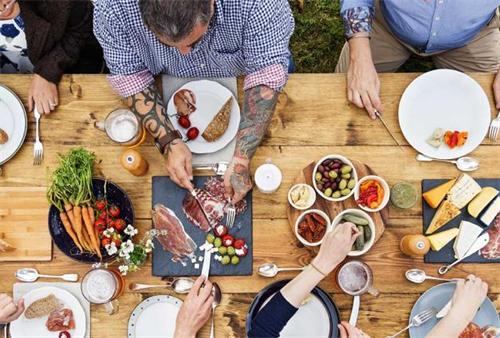
In an age of smartphones and solo streaming, the simple act of sharing a meal feels almost revolutionary. Yet, beneath the screens and the hurried routines, the age-old tradition of eating together continues to weave threads of connection—even where we least expect it.
The Table as a Social Stage
Food is far more than fuel; it’s conversation, ritual, memory. Research consistently shows that shared meals—especially among seniors—nurture not just the body but the mind and spirit. Dining together helps older adults enjoy more balanced nutrition, richer conversation, and a sense of belonging that can stave off loneliness and depression. Shared meals offer structure, emotional warmth, cognitive stimulation, and the comfort of routine—an often overlooked but powerful combination.
But these benefits are not limited to seniors. Families, neighbors, and colleagues all experience subtle transformations when they sit down together. When we eat with others, we slow down, savor not only the flavors but the conversation, and reaffirm our place in the social fabric. Even a brief shared lunch at work can spark collaboration, trust, and camaraderie that a hurried sandwich eaten at a desk never can.
Meals Beyond the Home: Communal Dining in Copenhagen
In Copenhagen, the Absalon community center has transformed a former church into a nightly communal supper scene, with long tables and dishes passed among strangers, for a modest fee. Diners serve each other, eat together, and even help stack dishes afterward. It’s not just affordable; it’s profoundly social. This kind of communal dining cuts through social barriers, enabling rich interactions among locals and visitors alike.
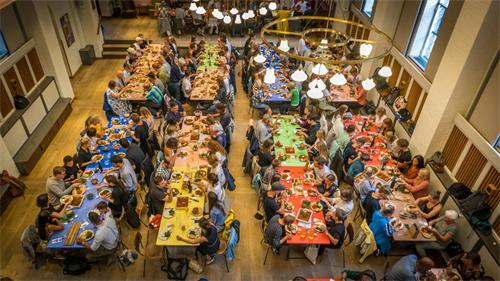
Not only is the cuisine exceptional, but so is the invitation to take part, to be there, and to connect. The event transforms a straightforward meal into a little representation of communal living. Strangers share recipes, stories, and laughter, discovering that connection is not defined by how long they have known each other but by the willingness to sit, share, and listen.
Meals as Acts of Generosity and Justice
Beyond the traditions of dining rooms and shared platters, meals can become powerful tools for community repair. Across cultures, shared meals have long been a way to express values of generosity, equality, and solidarity.
Langar, in Sikhism, offers free, vegetarian meals to all—irrespective of religion or caste—prepared and served by volunteers in a spirit of equality and selfless service. These kitchens transform mealtime into a ritual of inclusion.
Food Not Bombs, a grassroots organization, distributes free vegan meals sourced from surplus food—feeding those in need while simultaneously challenging hunger and waste.
In Cincinnati, La Soupe rescues edible food that would otherwise be discarded, turns it into nourishing meals, and distributes them to shelters and pantries. It’s an elegant, community-driven response to waste and hunger.
Such initiatives highlight how food can bridge social divides, address inequities, and foster environmental stewardship—all from a single pot. When meals are shared intentionally with community in mind, they become more than nutrition—they become acts of justice and compassion.
Shared Meals in Senior Living: Nourishing More Than Food
When communities converge around the dinner table, something deeper happens—especially for seniors. Programs like Meals on Wheels have evolved into dining partnerships with local restaurants, allowing seniors to enjoy nutritious meals in social settings, not just delivered to their doorsteps.
The Law Harrington Senior Living Center in Houston provides LGBTQ+ seniors with community meals, creating an environment where identity, belonging, and food are all intertwined. Mealtimes become part of a daily routine of inclusion, support, and dignity. Seniors share stories, reminisce about family recipes, and find comfort in familiar tastes, while also discovering new friendships. The table becomes a bridge between generations and life experiences.
Even simple initiatives, like community dining rooms in assisted-living centers, reveal profound effects. Residents eat more balanced meals, socialize, and engage in lighthearted competition over who can best replicate a cherished dish. Shared meals here nurture mental health, physical well-being, and emotional resilience simultaneously.
Culture, Identity, and Shared Meals
Food tells stories—sometimes of diaspora, sometimes of home. Every dish carries a history: the hands that made it, the land that nurtured its ingredients, and the cultural context that gives it meaning.
Michael W. Twitty urges readers to honor the true cultural origins of the dishes they enjoy. When we do, we use food to connect rather than erase. A shared meal becomes a classroom where participants learn not only how to cook but how to empathize, understand, and celebrate differences. Shared meals are living archives of culture, memory, and identity.
Consider immigrants in cities worldwide who gather in kitchens to cook traditional meals together. These gatherings serve multiple purposes: maintaining heritage, teaching younger generations, and forming support networks in a new environment. A single pot of stew or a batch of dumplings becomes a symbol of resilience, connection, and continuity.
Rebuilding Community Through Collective Tables
There’s growing interest in reviving public, affordable dining infrastructure. Advocates in the UK and elsewhere have called for modern versions of public eateries that serve wholesome, subsidized meals—drawing inspiration from Poland’s “milk bars” and Singapore’s “hawker centers.”
Such visions transform meals into public infrastructure—foundations for health, equity, and social cohesion. By democratizing access to good food and social spaces, society can reduce isolation, strengthen neighborhoods, and create opportunities for meaningful connections.
What If: Imagining a World of Community Plates
Pop-up Community Tables
Neighborhoods host monthly shared dinners—outdoors or in community halls—where everyone brings something to share. At once a potluck, storytelling circle, and community-building exercise, these dinners remind participants that food can bind communities in simple, profound ways.
Intergenerational Lunch Clubs
Pair children and seniors for meals where recipes and stories flow across generations. Children learn history and cooking techniques, while seniors gain companionship and a renewed sense of purpose. These lunches build empathy and understanding, ensuring that lessons of the past are passed forward.
Cultural Recipe Exchanges
Cities host food gatherings where communities present heritage dishes. Each table becomes a classroom; each bite, a lesson in cultural empathy. Participants not only taste the food but hear the stories, struggles, and celebrations behind it.
Community Kitchens with Purpose
Inspired by Langar or La Soupe, local volunteer kitchens open a few nights a week to feed anyone—mixing culinary creativity with social support. Volunteers learn teamwork and empathy, while diners receive nourishment and a sense of belonging.
Restaurant & Senior Program Synergies
Local eateries collaborate with communities to host seniors for group meals during off-hours, integrating hospitality into social care. Restaurants gain a sense of purpose, seniors gain joy and connection, and society reclaims the table as a site of collective life.
How to Start Your Own Community Plate?
Start a Monthly Potluck: Invite neighbors, colleagues, or friends. Rotate hosting responsibilities and encourage each participant to share a favorite dish and a story.
Volunteer at Community Kitchens: Local nonprofits often welcome volunteers to prepare and serve meals, making a tangible difference while meeting new people.
Host Cultural Nights: Share dishes from your heritage and invite others to do the same. Discuss the history and significance behind each recipe.
Organize Intergenerational Meals: Partner with local schools or senior centers to bring young and old together over shared food.
Practice Mindful Eating with Others: Even small gestures—like setting aside phones during meals or intentionally asking questions about what people are eating—can transform ordinary dinners into moments of connection.
The shared meal is silent magic in a fractured society. It is a place where people of all ages, backgrounds, and faiths together around common interests, customs, habits, and camaraderie. There, meals turn into memories, strangers become neighbors, and loneliness becomes laughter.
Whether it's through nightly suppers, mutual aid kitchens, senior centers, or public diners, "Community Plates" offers more than food—it offers connection. It reminds us that the table is not just a place for eating, but a space for belonging, learning, healing, and celebration.
By intentionally reclaiming mealtime as a shared human experience, we rediscover not just recipes, but the essence of community itself. After all, the simple act of sitting together, passing the bread, and breaking bread is one of the most profound ways to affirm life, love, and human connection.