Recover Right: Strategies to Rebuild, Refuel, and Refresh

You’ve just finished a workout. Your muscles are buzzing, your heart rate is slowing down, and the sense of accomplishment is real. But what happens next is just as important as the time you spent moving. Post-workout recovery often gets overlooked, but it is the secret ingredient that determines how much progress you’ll actually make. Recovery isn’t about being lazy or skipping effort—it’s about allowing the body and mind to rebuild, adapt, and prepare for what’s ahead. In fact, in today’s fitness culture, recovery is being recognized as just as vital as the workout itself.
From “No Pain, No Gain” to Smarter Recovery
Not too long ago, fitness culture was built around the mantra of “no pain, no gain.” If you weren’t exhausted, sore, or pushing through discomfort, you weren’t working hard enough—or so the myth went. But this old mindset is shifting. Coaches, trainers, and sports scientists now emphasize a holistic approach that balances intensity with care. Rest, mindfulness, quality sleep, and even therapeutic tools like sauna sessions or cold immersion are all recognized as part of training, not optional add-ons.
This shift represents a deeper truth: recovery is not weakness. It is intelligent training. By giving the body and mind the right conditions to heal and adapt, you actually set yourself up for greater strength, resilience, and longevity.
Why Recovery Matters for Muscles, Mind, and Motivation?
The reason it merits further attention is explained by the science of recovery. Muscle fibers sustain small tears during exercise; recovery is the process by which those fibers mend and become stronger. The body cannot properly repair itself without enough sleep and nourishment, which slows down development and raises the possibility of harm. This is one of the reasons why athletes who "overtrain" all the time frequently struggle with chronic weariness or injuries brought on by stress.
Prioritizing recuperation also enhances performance. A rested body is more energized, more focused, and more resilient. Recovery of the psyche is equally vital. Overworking without taking breaks can result in mental exhaustion, a decline in motivation, and ultimately the complete abandoning of fitness objectives. Maintaining your physical health and your love of activity are both aided by recovery.
Nutrition: The Foundation of Recovery
One of the most important recovery tools is food. After a workout, the body craves nutrients to repair muscles and restore energy. Pairing protein with carbohydrates has long been considered the classic formula. Protein provides the building blocks for muscle repair, while carbohydrates refill glycogen stores. A ratio of about three parts carbs to one part protein works well for most people, though the exact balance is less important than ensuring you eat enough of both throughout the day.
Interestingly, research shows that it’s not about hitting a narrow “anabolic window” right after a workout. Instead, total daily intake matters more. Aim for 1.4 to 2 grams of protein per kilogram of body weight across the day, and you’ll be supporting recovery whether you eat immediately after exercise or a few hours later.
Beyond the basics, certain foods can accelerate recovery thanks to their anti-inflammatory or nutrient-dense qualities. Tart cherry juice, for example, has been shown to reduce soreness and improve sleep due to its high levels of antioxidants and natural melatonin. Foods high in omega-3, such as chia seeds, walnuts, and salmon, aid in muscle regeneration and inflammation reduction. Dark leafy greens, including beets and spinach, provide essential elements and enhance blood flow. Even cottage cheese, when consumed before bed, can aid in muscle healing overnight since it includes the slow-digesting casein protein.
Hydration is another pillar of recovery. Water is essential, but when sweat loss is significant, electrolytes—sodium, potassium, magnesium, and calcium—need to be replaced to restore balance and prevent cramping. Surprisingly, simple drinks like chocolate milk perform remarkably well as recovery beverages. Its natural mix of carbohydrates, protein, and electrolytes make it more effective than water alone for rehydration after intense activity.
Active vs. Passive Recovery
In fact, gentle movement can be one of the best ways to promote healing. This concept, known as active recovery, includes activities like walking, yoga, light cycling, or stretching. These movements increase circulation, help flush out waste products from the muscles, and reduce stiffness.
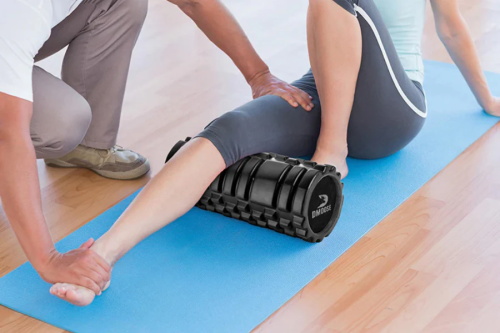
On the other hand, complete rest—known as passive recovery—also has its place. Days off allow both body and nervous system to fully recharge. Striking a balance between active and passive recovery is key. If you’re feeling sluggish but not in pain, a short yoga session may be better than total rest. But if your body feels deeply fatigued, sleep and downtime might be the smarter choice.
One area of debate is the use of ice baths. Cold therapy can reduce soreness in the short term, but it may also interfere with long-term strength and muscle gains if used too often after resistance training. Many experts now suggest saving ice baths for times when rapid recovery is needed, such as during competition, while prioritizing heat or sauna therapy during regular training to promote circulation and relaxation.
The Power of Sleep
During deep sleep, the body releases growth hormone, rebuilds muscles, replenishes glycogen, and performs cellular repair. Skimping on sleep is like cutting your workout short—you rob yourself of the benefits.
Adults generally need seven to nine hours of sleep each night, but quality matters as much as quantity. Creating a consistent bedtime routine can help. Keep your room cool, dark, and quiet. Avoid screens an hour before bed to protect your natural sleep rhythm. Small rituals, such as reading, meditation, or even drinking a glass of tart cherry juice or magnesium-rich tea, can signal your body that it’s time to wind down.
Nervous System Reset
Recovery isn’t only about muscles—it’s also about your nervous system. To recover fully, you need to switch back into “rest-and-digest.” Breathing exercises, meditation, and mindful stretching can calm the nervous system, lower cortisol levels, and promote relaxation.
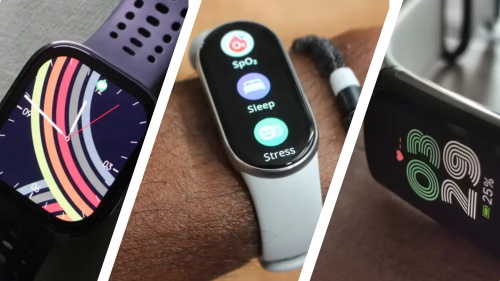
Some people track their recovery through heart-rate variability (HRV), a measure of the time between heartbeats. Higher variability usually signals that the body is well-rested and ready for activity, while lower variability may indicate stress or fatigue. Paying attention to how your body feels—through energy levels, mood, and sleep quality—is equally valuable.
The Rise of Recovery Technology
Modern fitness culture has introduced a wave of tools designed to optimize recovery. Compression boots, massage guns, and heated wraps are now common in gyms and even hotels. These tools aim to improve circulation, reduce soreness, and provide relaxation in ways that complement traditional methods.
Supplements and beverages are also expanding. Some products target stress reduction and cortisol management, claiming to speed recovery within days. While these can be helpful, they should be seen as extras rather than essentials.
A short cold shower after exercise can reduce inflammation and refresh the body. An acupressure mat can release tension in minutes. A protein-rich snack paired with water replenishes energy. And, above all, prioritizing a full night of sleep will outperform most expensive gadgets.
When you think of fitness, it’s easy to picture sweat, weights, and endurance. But true progress happens in the quieter moments afterward. Post-workout recovery is not just about preventing soreness—it’s about fueling growth, protecting motivation, and investing in your long-term health.
In the end, training hard is only half the story. Recovery is the other half—and it often matters more. Mastering recovery means mastering the balance between effort and rest, between push and pause, between breakdown and rebuild. When you commit to recovery as seriously as you commit to exercise, you’re not just training for today—you’re training for a stronger, healthier, and more resilient tomorrow.