
Smart Wearables for Mental Fitness: Tracking More Than Steps
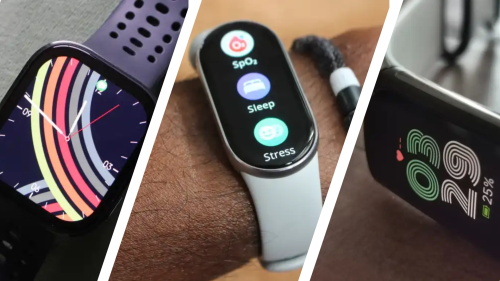
In today's fast-paced world, where stress, anxiety, and burnout have become commonplace, the pursuit of mental well-being is more crucial than ever. While traditional methods like therapy and meditation have their place, technology is stepping in to offer innovative solutions. Enter smart wearables—devices that, beyond counting steps, are now monitoring our mental fitness in real time.
The Evolution of Wearables: From Fitness Trackers to Mental Health Monitors
Initially, wearable technology served a singular purpose: tracking physical activity. Devices like the Fitbit and Apple Watch revolutionized how we approached fitness by providing insights into our daily movements, heart rate, and sleep patterns. However, as our understanding of health expanded, so did the capabilities of these devices.
Modern wearables now incorporate advanced sensors and algorithms designed to monitor various aspects of mental health. These devices can detect physiological indicators of stress, anxiety, and depression, offering users a comprehensive view of their mental well-being.
How Smart Wearables Monitor Mental Fitness?
Heart Rate Variability (HRV) and Stress Levels
The term heart rate variability (HRV) describes how the autonomic nervous system affects the amount of time that passes between heartbeats. While a lower HRV may suggest tension or worry, a greater HRV usually denotes a calm mood. Wearables such as the Oura Ring and WHOOP 5.0 track heart rate variability (HRV) to provide users real-time stress ratings and help them understand how their bodies react to everyday stressors.
Sleep Tracking and Mental Health
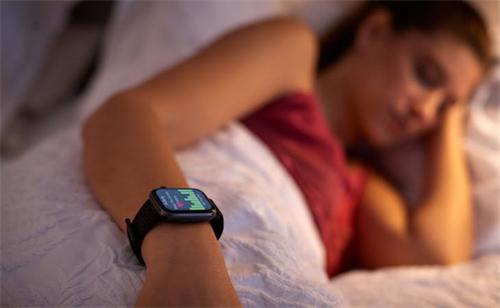
Mental health and getting enough sleep are inextricably linked. Anxiety and depression symptoms can be made worse by inadequate sleep. Sleep phases, including REM, light, and deep sleep, are tracked by devices like the Fitbit Inspire 3 and Oura Ring, which provide information on the quality of sleep and how it affects mental health.
Vagus Nerve Stimulation for Anxiety Relief
Innovative devices like Pulsetto utilize transcutaneous vagus nerve stimulation (tVNS) to alleviate symptoms of anxiety and stress. By delivering low-frequency electrical pulses to the vagus nerve through the skin, these wearables aim to promote relaxation and improve mood.
Digital Phenotyping for Early Detection
Wearable technology and smartphones may gather information about user behavior, including speech tones, social interactions, and app usage, producing a "digital phenotype." This information can aid in the early detection of mental health problems, enabling prompt assistance and intervention.
The Benefits of Integrating Wearables into Mental Health Management
Smart wearables have evolved beyond their initial purpose of tracking physical activity to become powerful tools in monitoring and enhancing mental health. By providing continuous, real-time data on various physiological and behavioral indicators, these devices offer several benefits in mental health management:
1. Continuous Monitoring for Real-Time Insights
Traditional mental health assessments often rely on periodic evaluations, which may not capture the full scope of an individual's mental state. Wearables offer continuous monitoring, allowing for real-time insights into stress levels, sleep patterns, and physical activity. This continuous data stream enables individuals and healthcare providers to detect early signs of mental health issues and make timely interventions.
2. Personalized Mental Health Management
Wearables collect a wealth of data unique to each individual, including heart rate variability, sleep quality, and activity levels. By analyzing this data, wearables can provide personalized recommendations to improve mental well-being. For instance, if a wearable detects increased stress levels, it might suggest relaxation techniques or mindfulness exercises tailored to the user's preferences.
3. Early Detection of Mental Health Issues
Subtle changes in physiological indicators can be early signs of mental health issues such as anxiety or depression. Wearables can detect these changes before they become clinically significant, allowing for early intervention. For example, a decrease in heart rate variability or disruptions in sleep patterns may signal the onset of stress or anxiety, prompting individuals to seek support or adjust their routines accordingly.
4. Enhanced Engagement in Mental Health Care
The interactive nature of wearable devices encourages individuals to take an active role in managing their mental health. Features such as real-time feedback, goal setting, and progress tracking can enhance user engagement and adherence to mental health interventions. This active participation can lead to improved outcomes and a greater sense of control over one's mental well-being.
5. Objective Data for Healthcare Providers
Wearables provide objective data that can supplement traditional mental health assessments. This data can help healthcare providers gain a more comprehensive understanding of a patient's mental state, leading to more accurate diagnoses and tailored treatment plans. For instance, tracking changes in sleep patterns or physical activity levels can offer valuable insights into the effectiveness of a particular intervention.
6. Support for Mental Health Research
The data collected by wearables can contribute to mental health research by providing large-scale, real-world evidence on mental health trends and interventions. Researchers can analyze this data to identify patterns, assess the effectiveness of treatments, and develop new strategies for mental health management.
Challenges and Considerations
While the integration of wearables into mental health management offers numerous benefits, it's essential to consider potential challenges:
Data Privacy: The collection of sensitive health data raises concerns about privacy and data security. Users must ensure that their data is protected and used responsibly.
Over-Reliance on Technology: While wearables can provide valuable insights, they should not replace professional medical advice or treatment. Users should use these devices as complementary tools rather than primary sources of mental health management.
Accuracy of Data: The effectiveness of wearables in monitoring mental health depends on the accuracy of the data collected. Users should be aware of the limitations and potential inaccuracies of these devices.
As technology continues to advance, the potential for wearables in mental health management expands. Future developments may include:
Integration with Mental Health Professionals: Wearables could share data with therapists or counselors, providing them with real-time insights into a patient's mental state and enhancing the effectiveness of treatment.
Advanced AI Algorithms: The use of artificial intelligence could lead to more accurate predictions and personalized recommendations for mental health care.
Broader Accessibility: Efforts to make wearable technology more affordable and accessible could democratize mental health monitoring, allowing more individuals to benefit from these innovations.
Smart wearables have evolved from simple fitness trackers to sophisticated tools for monitoring and enhancing mental fitness. By providing continuous, real-time data on various physiological and behavioral indicators, these devices empower individuals to take charge of their mental well-being. As technology continues to advance, the integration of wearables into mental health management holds promise for more personalized, proactive, and accessible care.
In a world where mental health is paramount, smart wearables offer a step toward a future where individuals are not only aware of their mental state but are also equipped to improve it.