Dopamine Hobbies: Why Mood-Boosting Classes Are Trending
In recent years, the pursuit of joy has taken on a new form. Beyond traditional self-care routines and mindfulness practices, a new wave of lifestyle choices is emerging: dopamine hobbies. These are activities intentionally pursued for the pleasure and mood-boosting effects they bring, often through classes and workshops that foster creativity, learning, and connection. From pottery studios filled with laughter to online dance sessions that raise heartbeats and spirits, dopamine hobbies are rapidly becoming a cultural phenomenon.
The Rise of the “Feel-Good” Economy
Modern life can be stressful, fast-paced, and often digitally overwhelming. Between work demands, economic pressures, and constant connectivity, many people are searching for natural ways to restore balance and elevate their mood. Enter dopamine hobbies—a concept rooted in brain chemistry but expressed through accessible, real-world practices.
Dopamine, often called the “feel-good” neurotransmitter, plays a key role in reward, motivation, and pleasure. Activities that stimulate curiosity, creativity, or physical engagement can release dopamine, providing a natural lift. Instead of chasing short-term thrills through endless scrolling or binge-watching, people are turning toward structured hobbies that spark joy in more sustainable ways.
This trend has created a booming market for classes—painting workshops, cooking lessons, improv groups, dance programs, and even gardening tutorials. These aren’t simply about acquiring skills; they’re about cultivating happiness.
Why Classes Are Leading the Charge?
Unlike solitary hobbies, classes bring a social dimension. For many, the act of gathering in a shared space, either in person or virtually, adds layers of accountability and connection that amplify the dopamine effect. A group pottery session, for instance, doesn’t just provide the satisfaction of shaping clay but also the encouragement and laughter that come from doing it alongside others.
Classes also provide structure. In a world where free time often dissolves into mindless distractions, committing to a scheduled session offers a sense of purpose. The anticipation itself—waiting for a weekly painting night or salsa lesson—creates small spikes of excitement that contribute to overall well-being.
Popular Dopamine-Boosting Classes
While almost any activity can become a dopamine hobby if approached with joy, certain classes have risen to the top as particularly mood-enhancing:
1. Creative Arts Workshops
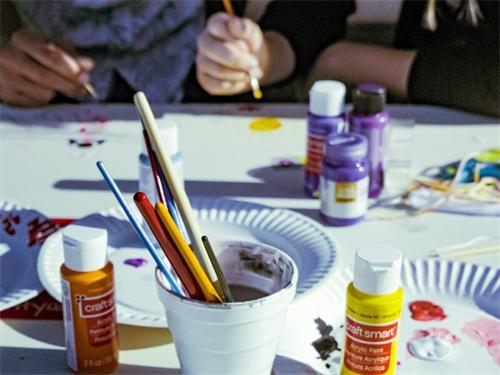
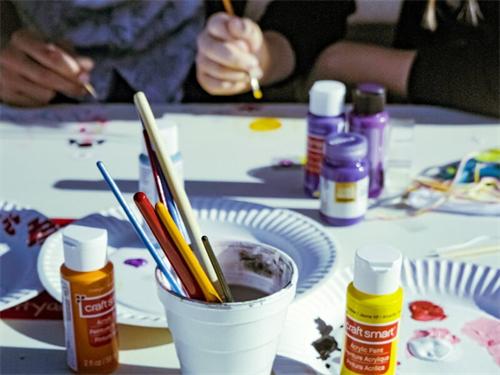
The popularity of textile arts, carpentry, painting, and ceramics is rising. These hands-on, tactile exercises help people stay grounded in the here and now. Watching colors blend on a canvas or feeling clay transform under one’s fingers provides immediate sensory rewards, while finishing a project delivers a strong sense of accomplishment.
2. Movement and Dance Programs
From hip-hop to ballroom to ecstatic dance, movement-based classes tap into the brain’s reward system by combining exercise with music and rhythm. Movement naturally increases dopamine, while group settings intensify feelings of connection and celebration.
3. Culinary Classes
Cooking has evolved from a practical need to an art form and a social activity. People may share meals, try new cuisines, and pick up new skills in cooking workshops. Learning to cook is a particularly fulfilling dopamine pastime since it increases one's senses of taste, smell, and touch.

4. Music Lessons and Jam Sessions
Playing an instrument combines creativity and discipline, stimulating both sides of the brain. Whether learning rhythm on a drum or strumming chords, group music workshops or community jam evenings offer immediate feedback and happiness.
5. Gardening and Nature Activities
With a growing appreciation for the calming effects of nature, gardening workshops and plant-care classes are thriving. Watching seeds sprout or nurturing houseplants not only reduces stress but also creates a steady flow of satisfaction and reward.
The Science of Joyful Learning
What makes these hobbies particularly powerful is the learning component. The brain is wired to reward novelty—new experiences, new challenges, and new skills all stimulate dopamine release. This means that classes, where learning is incremental and progress is visible, keep participants in a steady cycle of motivation and reward.
Even small milestones—a perfectly kneaded dough, a newly mastered guitar chord, a finished watercolor sketch—act as dopamine triggers. The combination of novelty, progress, and social reinforcement creates a potent recipe for joy.
The Benefits of Dopamine Hobbies
At first glance, dopamine hobbies might seem like distractions from life’s pressures. But in reality, they can build resilience. Engaging in activities that produce genuine joy strengthens mental health, reduces stress, and improves focus. Regular doses of positive reinforcement can buffer against burnout and anxiety, making it easier to face challenges.
Moreover, dopamine hobbies reconnect people with the tangible world. After hours spent in digital spaces, there is something profoundly grounding about kneading bread dough, dancing in sync with others, or painting with messy hands. These activities pull people into the present, offering not just escape but restoration.
Generational Appeal
Interestingly, dopamine hobbies cut across generations. Younger people, often criticized for being glued to their screens, are embracing hands-on workshops as a way to unplug. Middle-aged adults see these classes as stress relief and a chance to rediscover passions set aside for careers and family. Older adults find joy in staying active, learning new skills, and connecting socially.
This cross-generational embrace highlights the universality of the search for happiness. Regardless of age, everyone benefits from meaningful, mood-boosting activities.
The Social Ripple Effect
Beyond individual happiness, dopamine hobbies also create ripple effects. Communities benefit when residents come together to create, move, and learn. Local businesses thrive as studios, cafes, and event spaces host workshops. Cultural exchange deepens when people explore cuisines, dances, and crafts from around the world.
In this sense, dopamine hobbies are not just personal pursuits but also community-building forces. They turn neighborhoods into hubs of creativity and connection, weaving stronger social fabric in the process.
How to Choose Your Dopamine Hobby?
Finding the right activity depends on personality, lifestyle, and curiosity. Some may be drawn to high-energy movement, others to quiet, tactile creativity. A useful approach is to ask: What sparks my curiosity? What activity feels playful rather than obligatory?
Experimentation is key. Trying out a variety of classes—whether a single drop-in session or a short course—allows people to discover what genuinely excites them. The beauty of dopamine hobbies lies in their diversity: there is something for everyone.
As awareness of mental health and well-being continues to grow, dopamine hobbies are likely to become even more mainstream. Workplaces may incorporate hobby-based programs into wellness initiatives. Schools may expand creative extracurriculars, recognizing the mood-boosting benefits of non-academic learning.
Ultimately, the rise of dopamine hobbies reflects a deeper cultural shift: a recognition that happiness is not just a byproduct of achievement or consumption but something that can be actively cultivated through intentional, joyful practice.
In an era marked by overstimulation and stress, dopamine hobbies offer a refreshing antidote. They invite people to slow down, engage their senses, and rediscover the simple pleasures of learning, creating, and connecting. Whether it’s strumming a guitar, shaping clay, or sharing a dance floor, these mood-boosting classes are more than a passing trend—they are a pathway to resilience, connection, and joy.
As more people embrace these practices, society may find itself not only happier but also more connected and creative. After all, when individuals prioritize joy, entire communities begin to thrive.