
Local Dark-Sky Escapes: Stargazing Beyond the City Lights
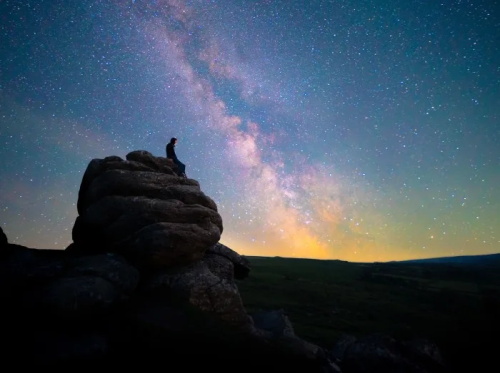
In a world where city lights often obscure the night sky, a growing movement is encouraging travelers to venture beyond urban areas to experience the wonders of the cosmos. This trend, known as "noctourism," is redefining travel by offering serene, starlit experiences away from the hustle and bustle of city life. By seeking out designated dark sky areas, travelers can reconnect with nature, explore cultural heritage, and support local communities.
The Rise of Noctourism
Noctourism, a blend of "night" and "tourism," is a burgeoning trend where travelers seek experiences under the night sky. This movement encompasses activities like stargazing, nocturnal wildlife observation, and cultural night walks. The International Dark-Sky Association (IDA) has recognized over 230 locations worldwide as International Dark Sky Places, areas that have committed to preserving natural nightscapes through responsible lighting policies.
For instance, the Central Idaho Dark Sky Reserve in the United States offers a vast expanse of protected skies, allowing visitors to witness the Milky Way in its full glory. Similarly, the Kerry International Dark-Sky Reserve in Ireland provides a pristine environment for stargazing, free from the interference of urban light pollution.
The Serenity of Dark Sky Escapes
Beyond the visual spectacle, dark sky escapes offer profound tranquility. Away from the hustle and bustle of city life, these sanctuaries provide a space for reflection, mindfulness, and a digital detox. The absence of artificial light allows for a deeper connection with nature and the cosmos.
In regions like the Mackenzie Basin in New Zealand, the Māori community emphasizes the importance of darkness in their cultural practices. Through initiatives like the Dark Sky Project, they merge traditional celestial knowledge with modern astronomy, offering visitors a holistic understanding of the night sky.
Economic and Environmental Impacts
Dark sky tourism not only benefits travelers but also local communities and ecosystems. By promoting responsible lighting and preserving natural nightscapes, these areas attract eco-conscious tourists, boosting local economies. Moreover, reducing light pollution helps protect nocturnal wildlife and preserves the natural environment.
For example, the Dark Sky Escapes initiative in Wales offers curated holiday homes in areas with minimal light pollution. This not only provides guests with unparalleled stargazing opportunities but also supports local businesses and conservation efforts.
Top International Dark Sky Destinations for Stargazing
1. Lake Tekapo, New Zealand
Highlights: Nestled in the heart of New Zealand's South Island, Lake Tekapo is renowned for its exceptionally clear skies and minimal light pollution, making it a premier stargazing destination. The Aoraki Mackenzie region, encompassing Lake Tekapo, was designated as the world's first International Dark Sky Reserve in 2012, earning a Gold Tier rating from the International Dark-Sky Association (IDA).
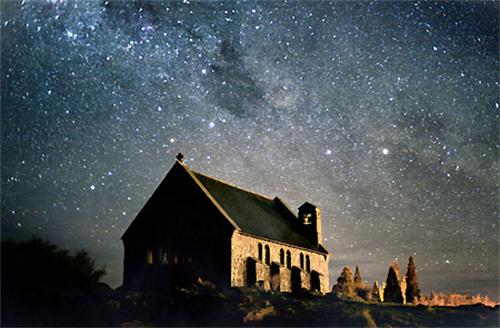
Local specialists lead guided stargazing excursions for visitors, sharing their knowledge of the planets, constellations, and deep-sky objects of the Southern Hemisphere. Perched above the lake, the Mt. John Observatory provides astrophotography sessions and telescope-based studies.
In addition to stargazing, the region offers a range of activities, including hiking, hot springs, and photography opportunities. The Church of the Good Shepherd, a picturesque stone chapel overlooking the lake, provides a stunning foreground for night sky photography.
2. Warrumbungle National Park, Australia
Highlights: Located in New South Wales, Warrumbungle National Park boasts some of the darkest skies in Australia, making it a haven for astronomers and stargazing enthusiasts. The park's commitment to preserving natural nightscapes led to its designation as Australia's first International Dark Sky Park in 2016.
Visitors can use the huge telescopes at the Warrumbungle Observatory to see celestial objects on public viewing evenings. The park's untamed landscapes and varied ecosystems offer a distinctive setting for photography and animal observation at night.
Camping under the stars is a popular activity, with several designated campgrounds offering facilities for both tent and RV camping. The park's remote location ensures minimal light pollution, providing optimal conditions for stargazing.
3. Brecon Beacons National Park, Wales
Highlights: Situated in South Wales, Brecon Beacons National Park is renowned for its expansive dark skies and rich cultural heritage. The park was designated as an International Dark Sky Reserve in 2012, recognizing its efforts to reduce light pollution and promote nocturnal conservation.
The park offers a variety of stargazing opportunities, including guided night sky walks, astronomy festivals, and telescope-based observations. The Dark Sky Discovery Sites within the park provide accessible locations for amateur astronomers and casual observers alike.
Beyond stargazing, visitors can explore the park's diverse landscapes, including waterfalls, caves, and historic sites. The area's rich folklore and traditions add a cultural dimension to the nocturnal experience.
4. Kerry International Dark Sky Reserve, Ireland
Highlights: Located in County Kerry, this reserve offers some of the darkest skies in Europe, making it an ideal destination for stargazing. The region's commitment to preserving natural nightscapes led to its designation as an International Dark Sky Reserve in 2014.
The reserve encompasses the Slieve Mish Mountains and the Iveragh Peninsula, providing a diverse range of stargazing locations. Visitors can enjoy guided night sky tours, astrophotography workshops, and traditional storytelling sessions under the stars.
The area's rich cultural heritage, including ancient stone forts and monastic sites, adds a historical dimension to the stargazing experience. The reserve's commitment to sustainable tourism ensures that visitors can enjoy the night sky while supporting local communities.
5. NamibRand Nature Reserve, Namibia
Highlights: One of the darkest locations on Earth, this reserve is located in the Namib Desert and provides unmatched chances for astronomy. The reserve was named an International Dark Sky Reserve in 2012 as a result of its dedication to protecting natural nightscapes.
The reserve offers a range of stargazing experiences, including guided night sky tours, astrophotography workshops, and overnight stays at luxury lodges. The clear desert skies provide optimal conditions for observing celestial events such as meteor showers and eclipses.
Beyond stargazing, visitors can explore the reserve's diverse landscapes, including sand dunes, salt pans, and wildlife-rich plains. The area's commitment to conservation ensures that visitors can enjoy the night sky while supporting sustainable tourism initiatives.
6. Mont-Mégantic International Dark Sky Reserve, Canada
Highlights: Located in Quebec, this reserve is known for its clear skies and commitment to preserving natural nightscapes. The reserve's designation as an International Dark Sky Reserve in 2007 recognizes its efforts to reduce light pollution and promote nocturnal conservation.
Included in the reserve is the Mont-Mégantic Observatory, which provides guided tours, public viewing evenings, and astronomy and light pollution education programs. Because of the region's varied ecosystems, there are chances to see wildlife and take pictures at night.
Visitors can also explore the reserve's hiking trails, which offer panoramic views of the surrounding landscapes. The area's commitment to sustainable tourism ensures that visitors can enjoy the night sky while supporting local communities.
Planning Your Dark Sky Adventure
For those in Denver, Colorado, seeking a stargazing retreat, several dark sky destinations are within a day's drive. Cherry Springs State Park in Pennsylvania is renowned for its clear skies and is classified as a Bortle Class 2 zone, meaning it has almost no light pollution. Another notable location is the Central Idaho Dark Sky Reserve, offering expansive views of the night sky.
When planning your visit:
● Check for Dark Sky Certifications: Look for areas recognized by the IDA or other reputable organizations.
● Consider the Moon Phase: A new moon phase offers the darkest skies.
● Prepare for the Elements: Bring appropriate clothing and gear, as temperatures can drop at night.
● Respect Local Guidelines: Follow all rules and regulations to preserve the natural environment.
Dark sky escapes offer more than just a chance to gaze at stars; they provide an opportunity to reconnect with nature, culture, and oneself. As the world becomes increasingly illuminated, these sanctuaries remind us of the beauty and serenity that the night sky offers. Embracing noctourism allows us to experience the cosmos in its purest form, fostering a deeper appreciation for the universe and our place within it.