Zero-Waste Cooking: Flavorful, Sustainable Meals with Purpose
Every year, millions of tons of food end up in landfills, and with it, the energy, water, and care invested in producing that food go to waste. Yet in the midst of this challenge lies an opportunity: the chance to transform how we cook, eat, and think about our meals. Zero-waste cooking is more than a trend—it’s a philosophy that encourages us to value every part of our ingredients, rethink traditional recipes, and embrace sustainability without sacrificing flavor. By turning scraps into star ingredients, preserving surplus produce, and creatively repurposing leftovers, home cooks can reduce waste, save money, and even discover new tastes and textures. In short, zero-waste cooking empowers us to cook with purpose, nourish our bodies, and care for the planet—one meal at a time.
At its heart, zero-waste cooking embraces the whole ingredient—nothing is wasted, everything is valued. Whether it’s carrot tops, citrus peels, or herb stems, these often-discarded parts hold unexpected flavor and nutrition. Carrot greens can become vibrant pestos; broccoli stems turn into crunchy slaws or soups.
This philosophy reflects the broader zero-waste movement—a whole-systems approach seeking to redesign how resources flow through our lives, striving to eliminate waste entirely.
Practical Zero-Waste Techniques for Home Cooks
Adopting zero-waste cooking at home involves more than just using up leftovers; it's about rethinking how we approach food preparation, storage, and consumption to minimize waste and maximize sustainability. Here are some expanded techniques to help you get started:
1. Embrace Root-to-Stem and Nose-to-Tail Cooking
Utilize every part of your ingredients. For instance, broccoli stems can be peeled and sliced for stir-fries or soups, while beet greens make a nutritious addition to salads or sautés. Similarly, citrus peels can be zested for flavoring dishes or dried to make homemade citrus powder.
2. Implement the "Garbage Bowl" Method
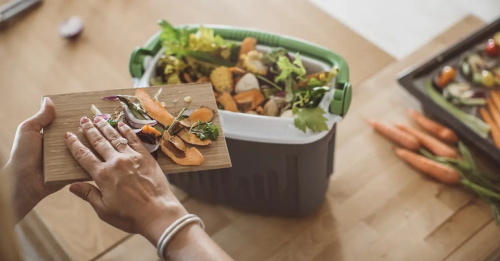
Inspired by Rachael Ray's popular kitchen hack, designate a large bowl to collect food scraps during meal prep. This not only keeps your workspace tidy but also makes it easier to compost or utilize the scraps later. Many home cooks have found this method to be a game-changer in reducing kitchen waste.
3. Plan Meals Around Expiring Ingredients
Regularly check your fridge and pantry for items nearing their expiration date and plan meals that incorporate these ingredients. This proactive approach helps prevent food from going to waste and ensures you're using what you already have.
4. Preserve Surplus Produce
When you have an abundance of fruits or vegetables, consider preserving them through methods like freezing, canning, or pickling. For example, overripe bananas can be frozen for smoothies or baked goods, and excess herbs can be dried or turned into pesto and frozen in ice cube trays for later use.
5. Compost Non-Edible Scraps
Set up a composting system for scraps that can't be used in cooking, such as onion skins, coffee grounds, and eggshells. Composting reduces landfill waste and provides nutrient-rich soil for your garden.
Why Zero-Waste Cooking Matters?
1. Environmental Benefits
Food waste is a significant contributor to greenhouse gas emissions. When food decomposes in landfills, it produces methane, a potent greenhouse gas. By reducing food waste, we can mitigate climate change.
2. Conservation of Resources
The production of food requires substantial amounts of water, energy, and land. Wasting food means wasting these precious resources. Zero-waste cooking ensures that the resources used in food production are fully utilized.
3. Economic Savings
By planning meals, utilizing leftovers, and reducing food waste, households can save a significant amount of money annually. For example, a family that reduces food waste by just 25% can save hundreds of pounds each year.
4. Educational Opportunities
Zero-waste cooking encourages individuals, especially children, to learn about sustainability and the origins of their food. This knowledge fosters a deeper appreciation for resources and can lead to more environmentally conscious decisions in other areas of life.
A Zero-Waste Meal in Action
Starter: Vegetable Scrap Broth
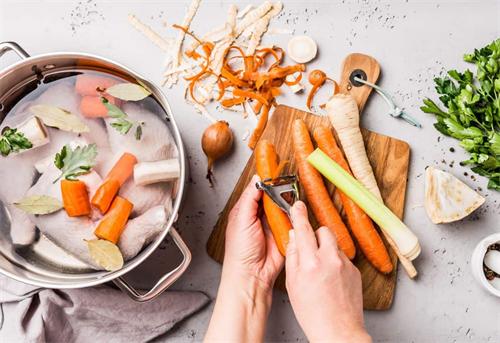
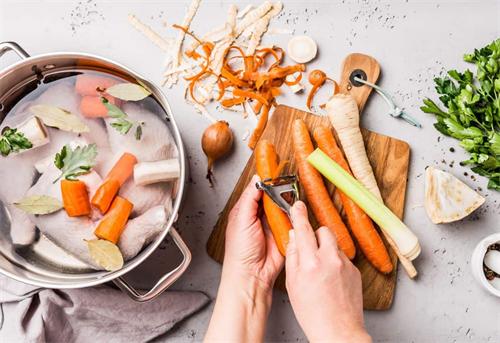
Start by saving vegetable scraps you would usually discard: onion skins, carrot tops, celery ends, mushroom stems, and even broccoli stems. Collect these in a container in your fridge until you have a full batch.
How to make it:
● Place the scraps in a large pot and cover with water.
● Add aromatics like garlic cloves, peppercorns, bay leaves, or herb stems.
● Bring to a boil, then simmer for 45–60 minutes, allowing the flavors to meld.
● Strain the solids and reserve the liquid.
This broth can be used immediately in soups, stews, or sauces, or frozen in ice cube trays for later. It’s rich in nutrients and deep flavor, all from ingredients that might otherwise have gone to waste. Even carrot tops, which are often tossed, add a bright, herbal note to the broth.
Main Course: Root-to-Stem Stir-Fry
For the main course, use up leftover vegetables and their edible parts: broccoli stems, beet greens, carrot tops, pepper cores, or cabbage leaves. Combining these with a grain and a protein creates a balanced, satisfying meal.
How to make it:
● Slice your vegetables thinly so they cook evenly.
● Heat oil in a pan or wok, and sauté aromatics like garlic, ginger, or shallots.
● Add firmer stems first (like broccoli or carrot stems), then progressively add softer leaves and greens.
● Toss in grains like rice, quinoa, or bulgur that you’ve cooked earlier.
● Include a protein source—like tofu, tempeh, beans, or leftover chicken.
● Season with sauces, herbs, or a splash of citrus juice for brightness.
This stir-fry demonstrates how stems, leaves, and peels, often ignored in traditional cooking, can create texture, color, and layers of flavor. Even the broccoli stalk, if peeled and sliced thin, becomes tender and sweet. The dish is visually vibrant and nutritionally dense, proving that “waste” parts of vegetables can shine as star ingredients.
Side Dish: Homemade Croutons or Chips
Stale bread can be transformed into croutons or chips, adding crunch and flavor to your meal.
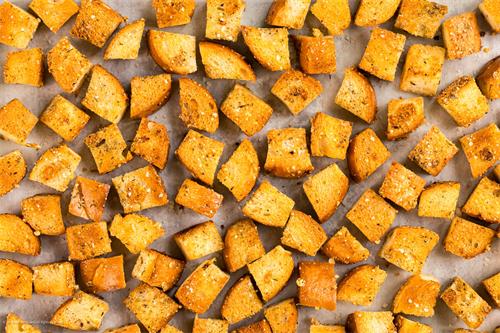
How to make it:
● Cube or slice leftover bread.
● Toss with olive oil, salt, and any dried herbs or spices.
● Bake at 350°F (175°C) until golden and crisp.
Croutons can top salads, soups, or even stir-fries for added texture. Bread slices can also become homemade chips—perfect for dipping into spreads, sauces, or a vegetable-based hummus. By repurposing bread this way, nothing goes to waste, and every ingredient finds a purpose.
Dessert: Banana Peel or Overripe Fruit Jam
Even fruit peels or overripe fruits can become sweet treats. Banana peels, for example, can be turned into jam or preserves, offering a surprising depth of flavor. Overripe berries or peaches can be cooked down into sauces for yogurt, oatmeal, or pancakes.
How to make Banana Peel Jam:
● Wash banana peels thoroughly.
● Slice into small pieces and simmer with water, sugar, and a squeeze of lemon juice.
● Cook until soft, then mash or blend to a jam-like consistency.
This process transforms a part of the fruit that would normally be discarded into a gourmet topping. It’s a delicious, eco-friendly way to end your meal and introduces diners to creative uses for commonly wasted ingredients.
Bonus Tips for Elevating a Zero-Waste Meal
Herb stems: Don’t toss parsley, cilantro, or basil stems—they can be added to stocks, sauces, or chopped finely for pesto.
Citrus zest: Before juicing lemons, limes, or oranges, zest them for flavoring baked goods, dressings, or infused oils.
Cooking water: Save water used to boil vegetables and use it as a base for soups or sauces. It’s lightly flavored and reduces the need to use fresh water again.
Leftover grains: Turn leftover rice, quinoa, or couscous into salads, patties, or fried dishes to avoid waste.
Zero-waste cooking fuses flavor, ingenuity, and responsibility. It invites us to reimagine the kitchen—not as a place of convenience, but as a space of mindful creation. From grassroots trends to gourmet restaurants, from home scraps to cross-generational wisdom, this movement transforms our relationship with food and the planet.
So next time you cook, ask: What else can this peel become? How can this stem shine? Let your kitchen be a site of innovation, resourcefulness, and purpose—where every meal nourishes more than just the body.